Thinking about trekking to Everest Base Camp but wondering about its elevation and the effort you've to put into it to make it to the top? Don't worry! We get you.
In this blog, we'll share with you guys everything that you need to know about the Everest Base Camp elevation so that it'll be easier for you to decide if it's for you or not.
So, without any ado, let's dive in:
What Is The Elevation Of The Everest Base Camp?
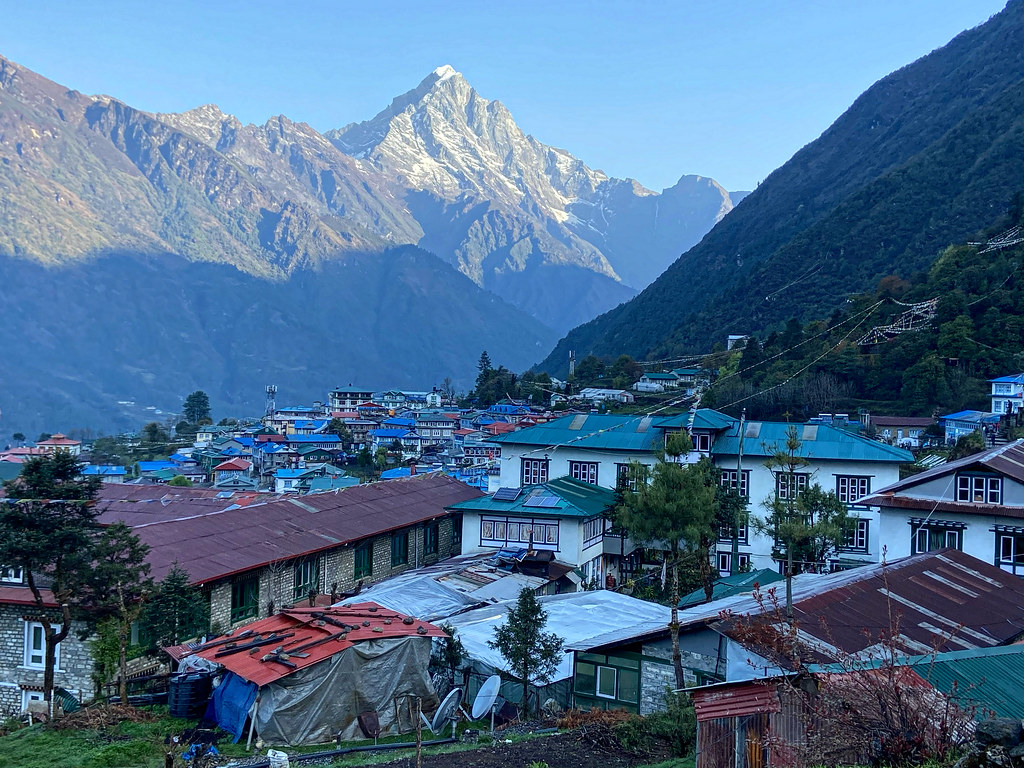
The elevation of the Everest Base Camp is 5,367 m above sea level. But, your trekking starts from Lukla which is situated at 2,860 m. Put differently, you'll hike about 2,507m above Lukla to reach the base camp.
As you start off on your journey from Lukla, you'll gradually gain elevation. With each step you take on the trails, you'll notice changes in air pressure, landscapes, vegetation, and weather. And this is something that makes this trek phenomenal. Of course, we mean it.
The cool part?
The trip is just wow! Don't be stunned if you find your senses heightened because of natural wonders you'll encounter on the way.
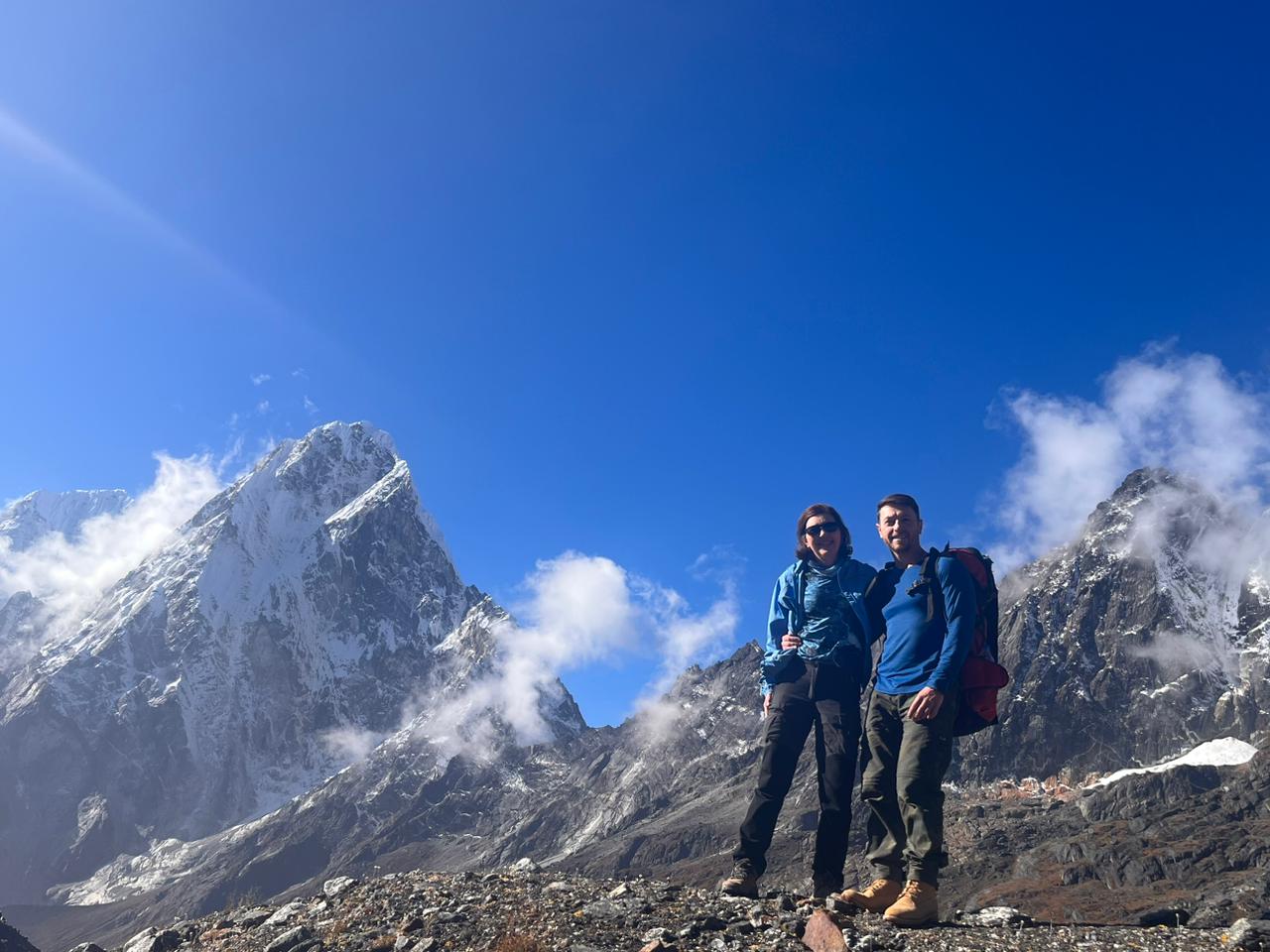
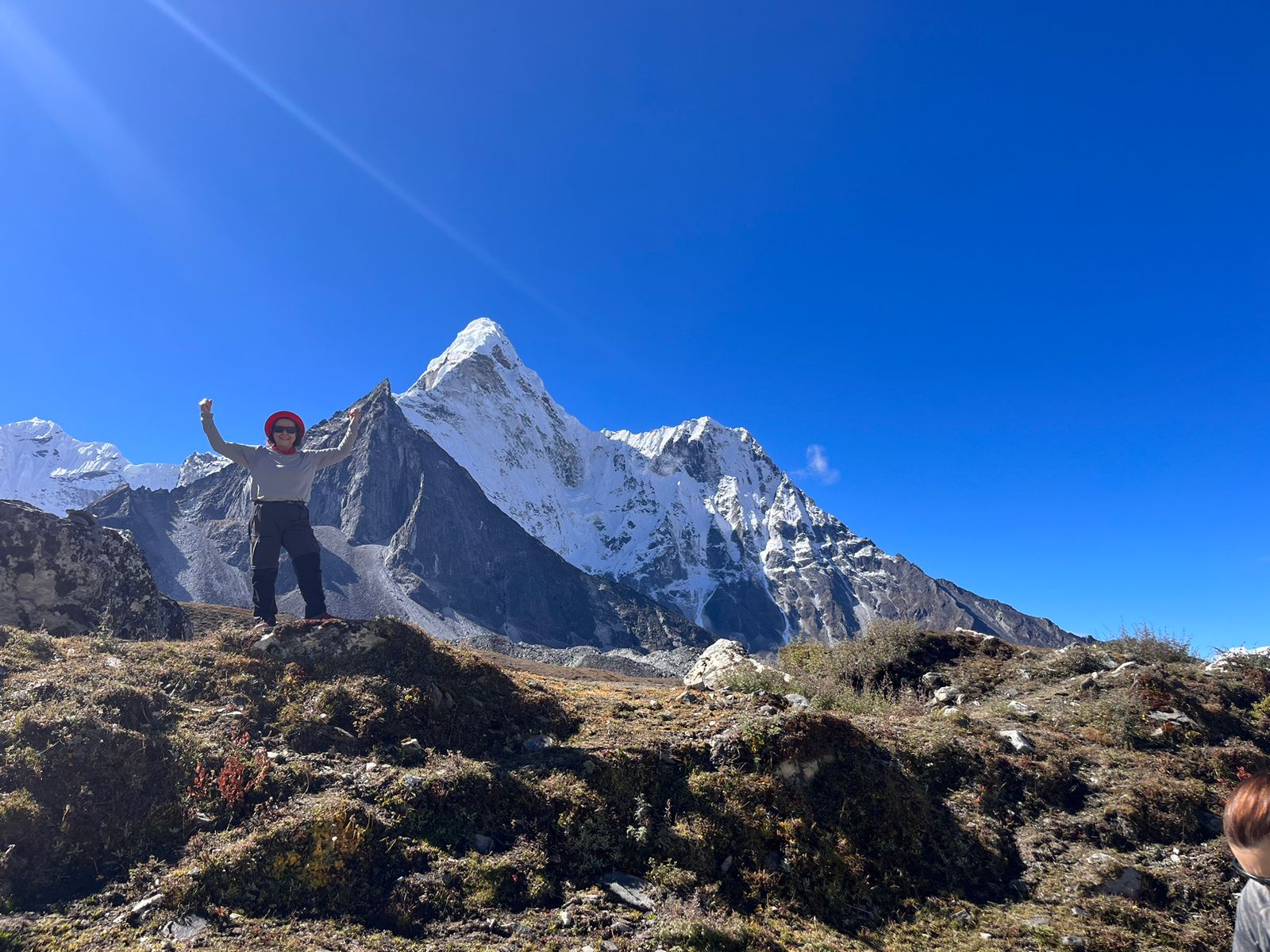
From lush green forests and meandering rivers to vibrant wildlife and the awe-inspiring, snow-blanketed Himalayas in the north, every step is a promise of unforgettable experiences.
Think I'm exaggerating? You can see it for yourself.
Here's The Picture That Shows Elevation Of The Everest Region:
How Difficult Is It To Trek At Such High-altitude?
Look, the question of difficulty is subjective. Now, what does this mean? This means something that's difficult for you may not be difficult for others. And something that's difficult for others may not be difficult for you.
What really matters is where you're from and how well you've prepared for the adventure.
If you're the kind of person who hits the gym, exercises regularly, and has an active history of hiking, congrats! This trek has your name written all over.
But, if you aren't physically active for the last few years, all you'll need to do is train yourself rigorously. It's as simple as that.
Or else, you'll regret your decision to trek to the base camp without needed preparation, wasting your hard-earned money and leaving yourself fully disappointed.
Don't want this to happen?
Train yourself. Yes, you heard that right! Training yourself, at least, 3 to 5 months prior to the adventure will prepare your body. This way, your body develops necessary resilience to withstand the pressure the adventure exerts upon it.
Plus, cramps and aches won't bother you the way it could have, had you not done enough preparation.
Now you know how physical preparations help you achieve your goals in the Himalayas, don't you?
How Elevation Affects Your Journey?
Of course, hiking above 3,000 m is as thrilling as it is challenging. With each step you take on the trails, the height increases.
The more height increases, the thinner the air gets. And the thinner the air gets, the more effort you need to apply.
Because of this you'll see many physiological and psychological changes in your body which can be a bit tormenting, at times.
You'll run short of breath. A feeling of fatigue creeps in. An urge to vomit is intense. And confusion or lack of coordination is visible in a trekker.
So what next?
When you see such symptoms, the first thing you should do is you should stop ascending. Don't proceed ahead. Take a rest where you are. Drink water. And avoid alcohol, cigarettes, and physical activity.
Furthermore, if the symptoms don't go away even after 24 hours, descend to lower places ASAP. Yes, we mean it. This is the second thing you can do to reclaim your well-being.
Descending by 500 m - 700m to lower places will ease you up. And, in no time, you'll see your symptoms fading away.
However, even if going to lower places doesn't work and, instead, the symptoms get worse, seeking immediate medical help is the must (Though this is rarely the case). Now you know how altitude may affect you while trekking in the Everest region.
But, don't worry! With proven trekking techniques, no matter how high-altitude trek you opt for, you'll do it with ease.
Proven-methods To Cope With High-altitude Trek
Embarking on the Everest Base Camp Trek sounds captivating. And it is. But, let's not forget the fact that it comes with certain risks.
That's why it's urgent for you to follow the proven trekking techniques to take your trekking game to the next level and make the most out of your trip.
Here's how:
1. Occasional acclimatisation
While doing high-altitude trek, acclimatising occasionally works wonders. The idea here's to climb high and sleep low. When you’ll begin your trek from Lukla up until base camp you'll be hiking mostly above 2,860 m.
While hiking at such high altitude, acclimatising in a few different locations goes a long way. It allows your body to adapt to the thinned oxygen density so that you can keep Acute Mountain Sickness at bay.
But the question is, where can you acclimatise while on the way to the EBC?
And the answer?
Namche Bazar and Dingboche are perfect places for you to take acclimatisation breaks to allow your body to tune in to the changed air pressure.
All you'll do is hike 500 m - 700 m above from where you're staying. Stroll around there for a few hours. And descend to the place where you stayed the previous night for restful sleep.
Not only this'll provide you with necessary time to explore local places, people, and their culture, but also allow your body to adjust with changed atmospheric pressure.
In other words: your body prepares itself for the high-elevation trek ahead, reducing the possibility of Acute Mountain Sickness.
2. Start Your Trek Early
Kicking off early has many perks. You won't be in a rush. You can proceed ahead slowly.
HEADS UP: Ascending mountains without acclimatisation at greater speed makes you 64% more vulnerable to Altitude Sickness. Therefore, moving ahead slowly with occasional acclimatisation keeps you safe.
You can even take a needed rest to rejuvenate yourself when you feel tired while hiking.
And guess what, guys?
Starting early will also prevent you from the sting of the scorching sun. Yes, it's true. At times, the Sun in the afternoon is so red hot that you'll feel its heat penetrating right through your skin, making you feel uncomfortable and discolouring your skin.
Sounds terrible, right? It is.
However, starting early is an appropriate solution for such harsh conditions. Oh, and yes, also remember to carry sunscreen lotion to prevent sunburn and discoloration.
3. Drink plenty of water
When you hike for long hours you'll release water from your body in the form of sweat or urine. If you release too much water and don't hydrate yourself time and again, you may experience intense cramps.
And needless to say, such painful cramps spoil your opportunity to immerse in experience, keeping you away from creating beautiful memories.
Want to avoid this situation from occurring?
Make sure you sip around 4 to 5 litres of water everyday. This way you'll avoid painful cramps as well as reclaim your well-being. See, how small things like drinking plenty of water makes a difference in your experience.
4. Munch protein bars and dry fruits
Hiking uphills and downhills requires strength, stamina, and focus. And what better ways do you need than munching creamy chocolate bars and luscious dry fruits for energy.
Imagine how it feels to pull energy-boosting chocolate bars and fruits from your backpack and have it when you're tired and hungry after hiking along the scary trails with occasional drop-offs for long hours.
Feels great, right?
So, have you made up your mind to include some crunchy bars and power-packed dry fruits in your backpack?
Include them and have a promising trip!
5. Avoid alcohol, processed food, and meat
At higher elevation, the oxygen level is pretty low. Because of low oxygen levels your Lungs and Heart are already striving to cope with the condition.
And drinking alcohol out of excitement in such circumstances will only worsen your biological mechanism. In fact, intake of alcohol will increase your already struggling body’s pressure, exerting more stress on internal organs, and creating life-threatening situations.
Likewise, processed foods and meats may also act as catalysts for altitude-related sickness.
Here's how:
Meat products in the Everest regions are mostly imported, stored, and sold. They aren't as fresh as they should be for your good health.
So, consuming these products without consideration may make you ill. You may even see altitude-related symptoms getting worse due to such unhygienic products.
FYI, You may also suffer from Travellers Diarrhoea.
And imagine what it looks like to end up closing yourself within the 4 walls of the room and running every once in a while to the toilet for bad bowel movement at that time when you were supposed to be on the trails, soaking in nature and having fun with friends.
Sounds disgusting, right? And it is.
Now, you know how alcohol, processed foods, and stored meat impact your health in the Himalayas, don't you?
So, these are some of the ways you can implement to adjust in higher altitude and make your trip more promising.
Must-follow Safety Protocols For Incredible Experience At Higher Elevation
Regardless of where you're trekking, it's always wise to make sure you're following the safety protocols.
Following safety protocols not only prevents you from any form of mishaps but also ensures your safe return and enhances experience.
Sometimes it so happens that while trekking at high altitude you fail to be in the present moment. You'll lose focus.
And that's where problems kick in. That's when you'll hurt yourself. You may slip on the steep slopes, strain your ankle, or hurt your knees.
And that's terrible. You don't want this to happen, do you? That's why, complying with safety protocols during such adventures results in fulfilling outcomes.
Here's a list of measure you ought to take for unbelievable trip:
# Be mindful of each moment
The trails at higher altitude are steep and slippery. While climbing up or down these spooky trails, it's urgent to remain present and focus.
With undivided focus, you can calculate the situations in a way you'll be able to carry yourself to the other side safely.
This way you won't sprain your ankle, hurt your knees, or trip and fall. Eventually, you'll prevent any unpleasant incident from unfolding.
# Take calculated steps
At times, when you're hiking in the Khumbu region, you'll come across steep drop-offs. Such drop-offs are quite chilling.
So what’s the next move? Take calculated steps to make it through them.
Marching ahead with sharp attention and taking calculated steps will help you navigate such risky drop-offs.
# Stick to the group
The trails in the Himalayas cross each other, forming intricate crossroads. Oftentimes due to a complicated network of trails, travellers deviate from the group and get lost on the way.
And this isn't a good news. Absolutely not.
So, what can you do to prevent it from happening?
Stick to the group. Make sure you're together with other members. In case, if you've to go somewhere, inform the Trek Guide or your friends or families. See, how simple it is!
# Keep your communication line open
Trekking through intricate Himalaya trails can be deceiving sometimes. Instead of taking the right route you may accidentally take the wrong route putting yourself at threat.
However, keeping your communication line open works magic. Even if you deviate, you can contact your Guide or any group members and reunite with them. Or, they may also try to contact you in your number, if they find you missing.
So, always make sure your communication network is open.
# In case of an emergency call for help
We can never know what future holds in store for us. Sometimes it holds good times. And sometimes it holds bad times. No matter what it holds, we should be ready for either situation.
If you're having good times, that's great. But, if you find yourself in a bad situation or shape, seek help immediately. Don't hesitate. Not even an inch.
Because when you don't say what you're going through, people around you won't understand your problem.
But, the moment you do, they'll extend their helping hands to you and come to your rescue.
Let's Wrap This UP
Now that you've read this post, you know exactly what the elevation of the Everest Base Camp is, how it affects your journey, and the safety protocols to follow in high-elevation for incredible experience.
In fact, the Everest Base Camp’s elevation has been one of the most significant pull factors for many. And your decision to check it out to make sure if it's for you or not is a prudent one.
Accept Challenges. Push Your Limits. And Keep Your Quest For Greatness Alive.🔥🔥🔥