You've probably heard that it takes superhuman strength to make it to the Everest Base Camp.
Let's not talk about 4,000 to 5,000 calories of energy you require each day to push forward.
And that's no exaggeration.
But did you know that the right foods can make all the difference in your trekking experience?
Picture this: you're hiking up a steep incline, your legs burning with every step. You're hungry, thirsty, and starting to feel a little lightheaded.
Suddenly, you pull out a mouthwatering, energy-boosting snack from your pack, and the world is a little brighter. With each bite, you feel your strength returning, and you power through the rest of the climb with ease.
Okay, maybe it's not quite that dramatic, but the point is, proper nutrition is essential for any physical activity, especially a trek as gruelling as the one to Everest Base Camp.
Without the right fuel, your body simply won't have the energy it needs to keep going.
So, what should you be eating on the trek?
To find out, keep reading till the end.
Without any ado, let's start.
Here's a table of contents that shows what topics we have covered for your convenience in this post:
Table of contents
How Nutrition plays a significant role during Trip?
Where will you have your Breakfast, Lunch, and Dinner?
What calories of energy do you need everyday?
How much calories do you burn in an hour of hiking?
What are the best snacks to carry for your journey?
How expensive is food in Teahouses?
Mouth-watering foods on the way you can prefer
What foods are not idle for your trek?
Possible Travellers Diarrhoea and it's prevention
How Nutrition plays a significant role in Your Trip?
Where will you have your Breakfast, Lunch, and Dinner?
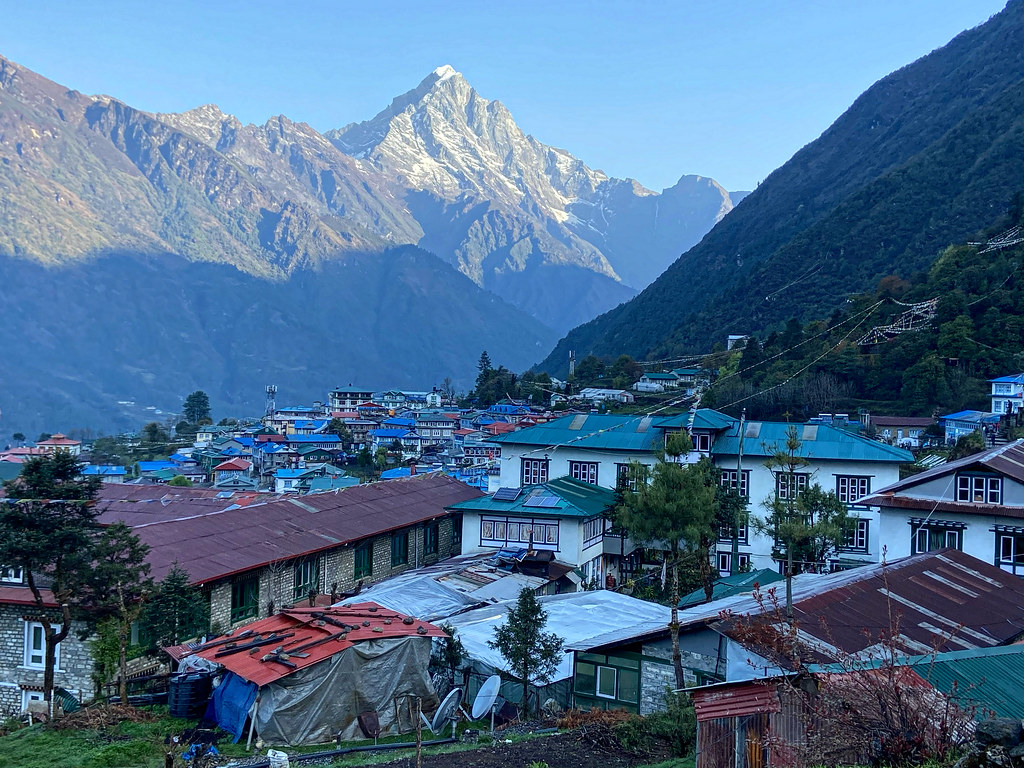
Teahouses are a great place with rustic ambience.
This is where you'll have your savoury breakfast, lunch, or dinner on the way to the Everest Base Camp.
These Tea Houses have been offering various yummy cuisines to the visitors so that they may have required energy to continue on their journey.
Though these Teahouses are crowded and busy during peak seasons, they don't fail to cater to your needs.
Absolutely not!
But the catch is:
They're occupied most of the time. Super busy. They've great numbers of orders to deliver to a wide range of guests in a limited time and the good news is they don't fail.
But, don't worry!
Your Guide and Porter are aware of this and they will take care of it.
They'll cooperate with the teahouse's operator without delay to make sure your desired orders are met on time so that after breakfast or lunch you can proceed ahead at your convenience.
Furthermore, the foods and beverages aren't expensive, given the effort they've put into managing all these for your service at such heights.
Why?
Because a great number of porters, take, and other meanns are required to bring necessary items from towns to these Teahouses which incur more expenses, making F&B more expensive.
To your great surprise, when your hiking is done for the day and you reach these people-packed places, you'll be delighted to see fellow travellers from around the world engaging in lively conversation and enjoying mouth-watering dishes.
Your heart leaps to see such an amazing sight!
Happiness oozes from every fibre of your body!
What calories of energy do you need everyday?
Look, hiking in steep mountains comes with a Herculean effort.
Each step you take on the rugged and steep trail burns certain calories of energy.
The number of calories burnt during a hike can vary depending on several factors such as the individual's weight, the intensity of the hike, the terrain, and the altitude.
On average, a person can burn between 400-500 calories per hour while hiking.
However, this is just an estimate and can vary from person to person.
Based on these we can say you may spend around 3500 calories to 4000 calories per day on your trip.
So, make sure you eat once in a while for your well-being.
Eating frequently will provide you with energy you require to dash forward on your journey as well as you won't feel stomach-cramps due to hunger.
And, that's what we do when we're on an adventure. We eat once in a while.
This way, we can fulfil both our craving for something appetising due to taxing hiking and necessary calories to March ahead on the journey.
And let me tell you:
It just feels damn good to have these savoury, creamy, and salty snacks when you're tired and need a break.
Imagine resting after a tiring hike and having chocolates or dry fruits with a mesmerising view of the Himalayas in the North for revitalising your spirit.
Feels no less than amazing, right?
And, it is!
What are the best energy-boosting snacks you can rely on, on your journey?
Here's a list of foods and snacks you should carry:
-
Protein bars- crunchy and chewy with rich chocolate flavour
-
Chocolate bars- smooth and creamy with satisfying sweetness
-
Dry fruits- plump and juicy with a burst of natural sweetness
-
Nuts- crunchy and salty with a savoury flavour
Here's the truth:
Depending only on breakfast, meal, and lunch in Teahouses for needed calories or energy to make it to the Everest Base Camp is illogical. Irrelevant.
I don't mean to say you won't be able to make it to the top without snacks, you can, but reaching there at the cost of your well-being is no less than detrimental.
Even if you don't take your breakfast, lunch, and meal, you will do that day of hiking.
But have you ever wondered what impact it would have on your health and how would you feel the next day?
Yes, you're dead right! You'll feel terribly weak and exhausted. And, that's not a good idea. No. Not at all.
So what's the deal?
Carrying chewy protein bars, creamy chocolate bars, luscious dry fruits, and savoury nuts will be of great help while hiking. They're lighter to carry, plus easy to consume.
These fruits and bars make your journey great. They're like your friends in need who are there to help you succeed in your pursuit.
By providing you with mountain-breaking strength, they not only make your adventure effortless but also keep your health and wellness perfect.
Imagine eating dry fruits and protein bars when you're hungry after hours of hiking together with your group and soaking in nature.
It's so rejuvenating, right?
How expensive is food in Teahouses?
The prices of food vary from place to place. The higher the altitude, the more expensive the food is.
Why?
Because porters and yaks are used to carry all the food up the mountains.
No matter if you're a vegan or a non-vegan, you'll have plenty of choices.
You'll spend around $ 23 to $ 30 everyday on food. However, prices can go up or down by a few dollars, depending on how foodie you're.
Put another way:
You'll have a light breakfast, fine lunch, delectable dinner plus soup, hot drinks, and water, all covered in that price.
Not to mention the food, they're healthy and restorative.
Also, these appetising foods provide you with required calories you need to hike through steep inclines, keeping your health intact.
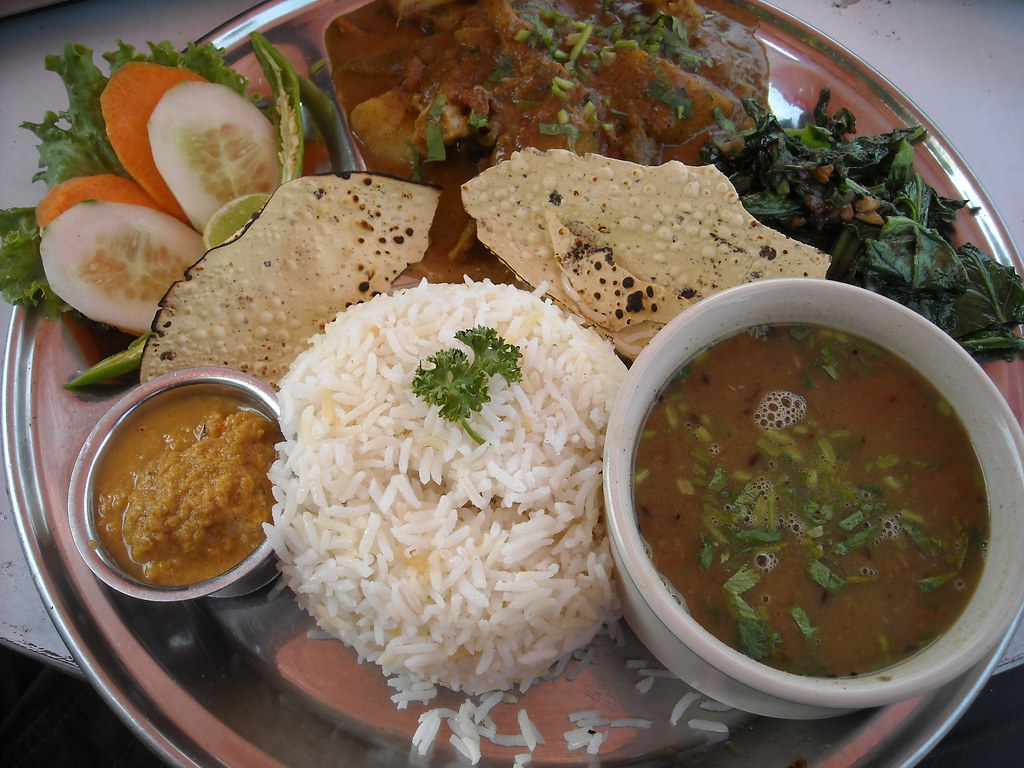
Mouth-watering foods on the way you can prefer
-
Breakfast
-
Lunch
-
Dinner
What foods are not idle for your trek and you should avoid somehow?
Your health literally matters when you're doing as demanding as the Everest Base Camp trek.
In fact, you should be super selective when it comes to choosing what to eat and what not to.
Only eat those foods that serve your purpose- boost your fitness so that you can swiftly make it to the camp.
Or else, you'll have horrible times which not only hurts your wellness, but also prevents you from making the most out of your journey.
Sounds bad, right
But, you needn't worry
Here's a list of foods you should avoid for a sound health and a great journey:
-
Meat products: No matter how deeply you're in love with meat products, they're a big NO, when you're trekking to the Everest Base Camp.
The reason?
These meat products are brought in bulk, stored, and served.
Consuming these products may cause communicable disease- traveller's Diarrhoea because your body may not have adapted to newer circumstances- both country and higher altitude.
And abstaining from these mouth-watering but health-spoiling product, you're doing yourself a great favour.
Your health remains intact, keep yourself away from travellers diarrhoea, and stop your altitude-related syndromes from worsening.
See, how beneficial it's to say NO to these items!
-
Alcohol and Cigarettes: Picture this: You're trekking at higher altitude. Having to hike at great heights, you develop early stage syndromes related to mountain sickness. But you fail to notice. Due to extreme cold, your craving for alcohol and cigarettes flares up. You can't resist. And you end up drinking and smoking.
Can you imagine what happens when you drink and smoke in such situations?
Yes, you'll put your beautiful life at risk, making yourself more vulnerable to severe sickness.
Because nicotine and alcohol's intoxicant further aggravate already struggling body.
Your ability to coordinate decreases, causing confusion and irrational behaviours.
And this is what prevents you from making your trip truly transformational.
You can't soak in nature and feel that divine energy for which you've come this far.
<p dir="ltr" style="line-height: 1.3800000000000001; margin-left: 36pt;